7 Things Schools and Educational Institutions Should Know About Water Tank Maintenance
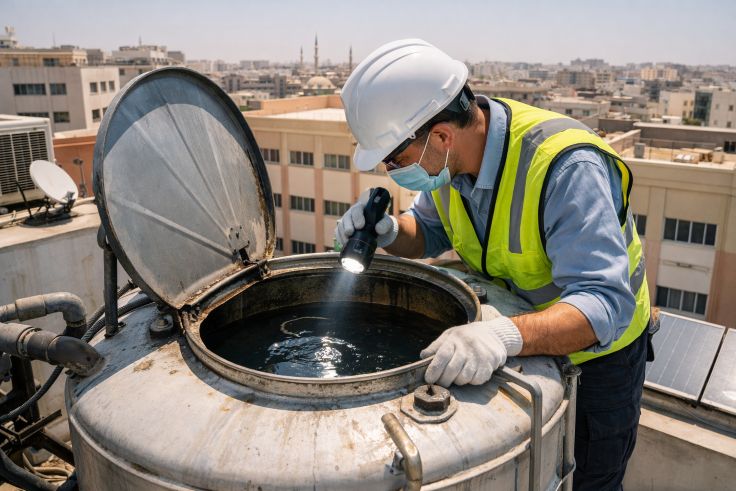
Contaminated drinking water causes an estimated 485,000 deaths globally each year, according to the World Health Organization, and schools, with their high population density and shared water systems, are among the most vulnerable facilities. Water tanks in educational institutions are not simply storage units. They are daily-use infrastructure that directly affects the health, focus, and safety of hundreds or thousands of students. Yet maintenance is frequently delayed, misunderstood, or handled without the right standards. This article addresses the seven most important things schools should know.
1. Why School Water Tanks Are High-Risk Environments
Schools present a unique set of conditions that make water tank contamination more likely than in residential settings. High daily usage means water is drawn and replenished rapidly, creating fluctuating pressure and temperature conditions. Tanks are often located on rooftops or in poorly ventilated utility rooms, which accelerates sediment buildup and algae growth. Children’s immune systems are still developing, which makes them significantly more susceptible to waterborne illness. Research published by the Centers for Disease Control and Prevention (CDC) confirms that school-aged children face higher risks from low-level microbial exposure that adults may tolerate without visible symptoms. This is not a risk that resolves itself over time. It compounds.
2. How Often Tanks in Shared Facilities Should Be Cleaned
The standard recommendation from WHO and regional health authorities is that water storage tanks in shared facilities should be cleaned and inspected at minimum every six months. In hot climates such as Saudi Arabia’s, where temperatures frequently exceed 40°C, quarterly cleaning is strongly advised. High heat accelerates bacterial growth, particularly Legionella and coliform bacteria. Schools should not base their schedule on whether the water looks fine. Contamination is invisible at early stages. Establishing a fixed biannual or quarterly schedule, supported by a qualified water tank cleaning company in Jeddah is the only reliable approach.
3. The Difference Between Surface Cleaning and Full Sterilization
Many facility managers assume that hosing down the interior of a tank constitutes adequate maintenance. It does not. Surface cleaning removes visible debris but leaves behind biofilm, a thin layer of microorganisms that adheres to tank walls and acts as a reservoir for continued contamination. Full sterilization involves draining the tank completely, scrubbing all internal surfaces with approved solutions, applying a disinfectant such as chlorine at regulated concentrations, rinsing thoroughly, and testing water quality before the tank is returned to service. The Saudi Standards, Metrology and Quality Organization (SASO) outlines specific procedures for institutional water system sanitation. Schools should insist that any service provider follows these standards and confirms so in writing.
4. What Unsafe Water Does to Student Health and Concentration
The effects of contaminated school water are broader than gastrointestinal illness alone. Studies cited by the United Nations Children’s Fund (UNICEF) show that students in schools with poor water quality experience higher absenteeism rates, lower cognitive performance, and increased fatigue. Even sub-clinical exposure, meaning levels too low to trigger acute illness, can impair concentration over time. Heavy metals like lead, which can leach into water from aging pipes or inadequately maintained tanks, are linked to developmental delays and attention difficulties in children. Water quality in schools is not a facility issue. It is a learning issue.
5. Legal and Health Regulations Governing Water Quality in Institutions
In Saudi Arabia, water quality in public facilities is governed by guidelines set by the Saudi Ministry of Health and enforced through municipal health inspections. Schools are classified as high-priority facilities under environmental health protocols, and failure to maintain potable water standards can result in fines, temporary closure orders, or administrative liability for school management. The Gulf Cooperation Council (GCC) has also issued unified technical standards for drinking water in shared facilities, including specifications for permissible bacterial counts, chemical concentrations, and storage hygiene. There is a growing awareness of why water safety in schools and universities has become a compliance priority across the region, not just a facilities concern. Ignorance of these regulations is not a legal defense. Schools should keep compliance documentation on file and review it annually.
6. How to Evaluate Whether a Tank Cleaning Provider Meets Institutional Standards
Not every water tank cleaning service operates at the same level. Schools should evaluate providers against specific criteria before signing any service agreement. A qualified professional water tank cleaning provider should hold municipal licensing and proof of trained personnel. They should use EPA- or SASO-approved disinfectants, provide a written methodology for each stage of the cleaning process, and carry liability insurance. Schools should also ask whether the company conducts post-cleaning water testing, as this is a critical step that many lower-cost providers skip. Requesting references from other institutional clients, such as hospitals or government buildings, is a reliable way to verify track record. Price should not be the primary factor when the health of children is at stake.
7. What Documentation Schools Should Request After a Cleaning Service
Documentation protects the school, creates accountability, and supports regulatory compliance. After every cleaning session, schools should request and retain the following: a service completion report detailing the date, technician names, products used, and procedures followed; pre- and post-cleaning water quality test results showing bacterial and chemical readings; photographic evidence of the tank interior before and after service; and the service provider’s official stamp or license number. This documentation should be stored in the school’s facilities management file and made available during health inspections. Data from the International Water Association indicates that institutions maintaining consistent service records have significantly fewer regulatory incidents and faster resolution times during audits.
A Final Word on Institutional Responsibility
Water tank maintenance in schools is not optional infrastructure work. It is a direct responsibility to students, staff, and families who trust the institution to provide a safe environment. Scheduling regular cleanings with a licensed tank sanitation service, understanding the difference between cosmetic cleaning and certified sterilization, and keeping proper documentation are basic steps that every school can take. The investment is modest. The consequences of neglect are not.